A city-state of desert mages (from the notes on The Twelve), revering a different subset of The Twelve.
Overview
- Identity: Aurumhold is a wealthy, trade-driven nation in Roh-ber’s southwest desert, centered on merchant guilds that mine rare gems and materials to fuel a robust national economy. Revering Aurath, Umral, Othar, and Solara, it channels their Aether to enhance commerce, craftsmanship, and protection, wielding financial power to influence the Triad against the Ravus Empire and Primal cults. Aurumhold’s centralized bank, powered by Aetheric “wormhole” bags, underscores its focus on wealth, while resisting Eclipsa’s entropic corruption that threatens its resources.
- Geography: Red sand deserts with rocky peaks, scattered oases, and rich gem mines shaped by Umral’s and Othar’s Aether. Key fonts include Umral’s Forgeheart (a gem-encrusted quarry), Othar’s Iron Bastion (a fortified vault), Aurath’s Scriptorium Spire (a trade archive), and Solara’s Solar Crucible (a radiant beacon). Eclipsa’s entropic Aether lurks in hidden rifts, decaying gems and vaults.
- Population: Humans, dwarves, and gnomes, with smaller communities of dragonborn, goliaths, and warforged, live in opulent city-states and mining towns, skilled in mining, gemcraft, and commerce. Citizens prioritize wealth and status, governed by merchant guilds.
- Key Features: Trade caravans, guild-based governance, and Gemheart Crucible font. Focuses on wealth and Aether-infused crafting.
Governance
- Structure: Aurumhold is ruled by the Gilded Conclave, an oligarchy of powerful merchant guild leaders who hold true political power, prioritizing trade and wealth. A symbolic Royal Family of Aurumhold serves as diplomatic figureheads with minimal influence, while a separate Office of the Legion, led by a Warlord, manages the military but answers to the Conclave.
- Gilded Conclave: Comprising leaders of major guilds (e.g., Gemcutters, Aether Traders, Forgesmiths), the Conclave sets economic policies, controls Aether distribution, and negotiates Triad alliances. Wealth determines influence, with richer guilds dominating decisions. The current High Guild-Lord is Korrak Tinkerforge.
- Royal Family: The royals, adorned in Aetheric gems, represent Aurumhold in diplomacy, hosting trade summits but lacking legislative power. Their role is ceremonial, symbolizing prosperity. The current monarch is Queen Lirien Gemheart.
- Office of the Legion: The Warlord oversees the land-based military, executing Conclave directives to protect trade routes and fonts. The office is funded by guild taxes, ensuring loyalty to wealth.
- Economic Focus: The Conclave oversees the Aetheric Bank of Aurumhold, which issues Aether-infused “wormhole” bags linked to personal vaults, allowing instant access to wealth or items for a monthly fee (e.g., 10 gp). Laws protect mining rights and trade monopolies, countering Eclipsa’s decay and Ravus’ raids.
Major Cities
- Gemcradle, capital, home to an Aether Hall of the Aetherkin Guilds
- Sandspire
- Ironcrag
Religious Culture and Customs
Aurumhold interprets The Twelve’s Aether as cosmic forces of prosperity and order, channeled through trade-focused rituals tied to the six Astral and Umbral Moons: - Aurath (First Umbral Moon): Gilded Arcanists, merchant-scholars, conduct trade rituals in the Scriptorium Spire, blessing contracts with Aetheric runes (+2 Arcana, identify 1/day) to enhance commerce. - Umral (Second Umbral Moon): Stoneforged Artisans, gemsmiths, perform crafting rituals in the Forgeheart, shaping Aether-infused gems and relics to honor artistry. - Othar (Fifth Umbral Moon): Ironclad Forgers, vault guardians, forge protective talismans in the Iron Bastion, swearing oaths to safeguard wealth. - Solara (Fourth Astral Moon): Dawnblades, elite guards, hold dawn vigils in the Solar Crucible, igniting Aetheric flames to protect trade caravans. - Eclipsa’s Influence: Not worshipped, but Eclipsa’s entropic Aether corrupts mines and vaults, dulling gems and destabilizing wormhole bags. Arcanists and Forgers counter this decay, often clashing with Myrath’s purification efforts over resource priorities.
Transportation
- Primary Mode: Aurumhold relies on large, Aether-powered caravans and land barges, built from desert-hardened wood and gem-encrusted metal, pulled by sturdy beasts or Umral’s Aetheric constructs. These caravans traverse trade routes, connecting mines and city-states.
- Mechanics: Arcanists use Aurath’s Aether to guide caravans, while Othar’s wards protect cargo. Wormhole bags enable instant trade goods retrieval, boosting efficiency.
- Infrastructure: Paved trade roads and Aetheric waystations link city-states, with the Forgeheart as a central trade hub. The Aetheric Bank’s vaults, accessible via wormhole bags, are fortified in the Iron Bastion.
- Cultural Significance: Caravans, adorned with Solara’s radiant gems and Umral’s runic engravings, symbolize Aurumhold’s wealth. The wormhole bag system (10 gp/month fee) underscores financial power, accessible to citizens and traders.
Military Might
- Structure: The Gilded Legion, led by the Warlord under the Conclave, is a large, land-based force of Dawnblades (elite infantry), Ironclad Forgers, and Gilded Arcanists (combat mages). It prioritizes protecting trade routes and mines.
- Forces: Infantry wield Aether-forged weapons (2d8 slashing + 1d6 radiant, Solara’s Aether), supported by Umral’s animated constructs (e.g., stone golems, CR 6, +7 to hit, 2d10+5 bludgeoning). Caravans double as mobile fortresses, equipped with Aetheric catapults (2d10 force).
- Tactics: The Legion uses disciplined formations and fortified caravans to secure trade routes, repelling Ravus’ raiders and cult ambushes. Arcanists deploy Aetheric barriers, while Dawnblades lead charges.
- Strengths and Weaknesses: The Legion’s size and wealth-funded equipment make it a Triad powerhouse, but its land-based focus struggles against Ravus’ airships and Eclipsa’s entropic sabotage, which disrupts Aether supplies.
Role in Roh-ber
- Triad Alliance: Aurumhold is the Triad’s economic powerhouse, supplying gems, Aetheric relics, and financial support via the Aetheric Bank to counter Ravus’ aggression and Primal cults. The Gilded Conclave’s trade deals strengthen Triad unity, but Aurumhold’s profit-driven Aether use clashes with Sylvaris’ environmentalism and Tidegate’s naval priorities.
- Conflicts: Aurumhold opposes Ravus’ raids on its gem mines and Veilborn, who corrupt vaults and wormhole bags with entropic Aether. Internal tensions arise between Arcanists’ pursuit of profit and Forgers’ focus on protection, mediated by the Conclave’s wealth-based hierarchy.
- Culture: Meritocratic and opulent, Aurumhold values wealth and trade. City-states are hubs of commerce and gemcraft, with citizens trained in mining and Aetheric economics. They trade extensively with Tidegate but compete with Sylvaris over font access.
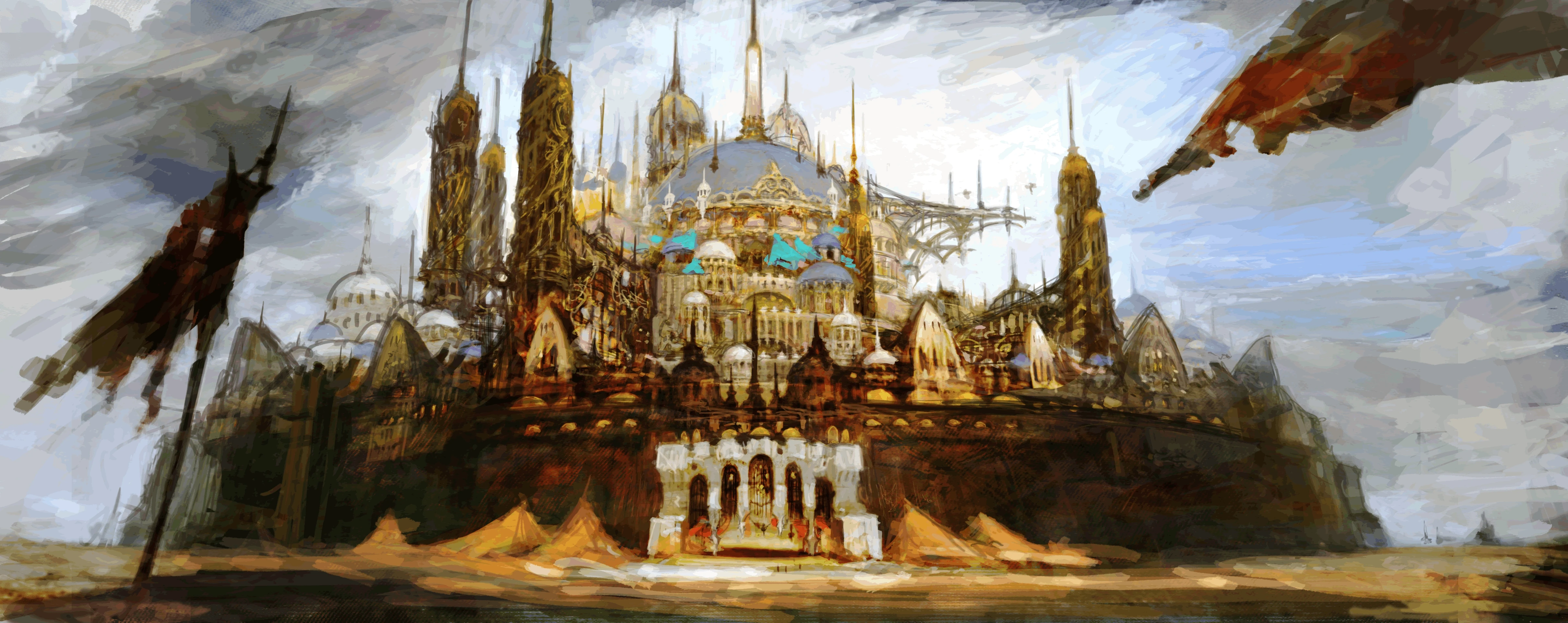
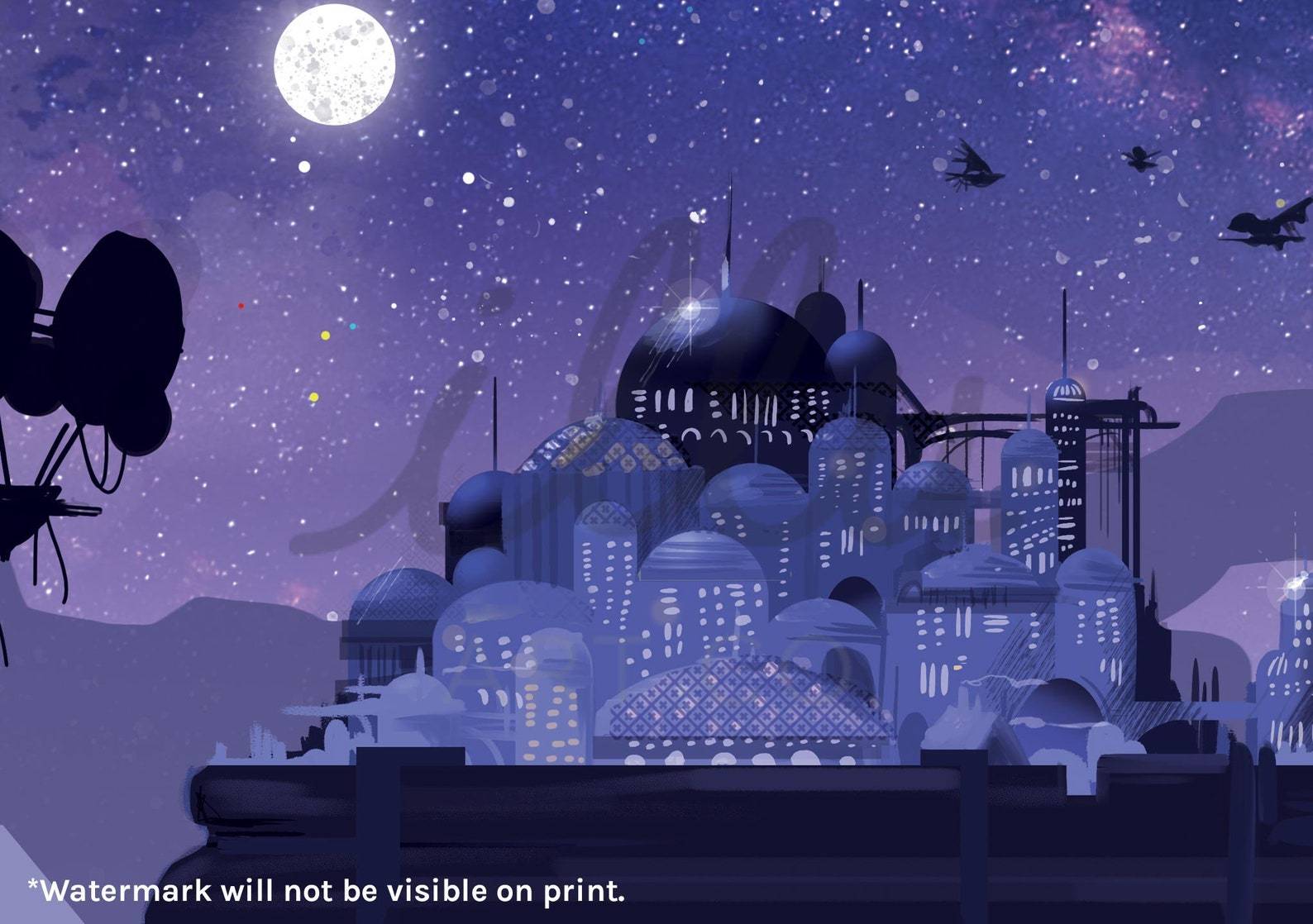
- Aesthetic: Ornate city-states with gem-encrusted spires and bustling markets amidst red sands. Caravans gleam with Solara’s radiant jewels and Umral’s runic metalwork, while vaults glow with Aurath’s Aetheric runes.
In the timeline
- After the First Shattering: Before the Shattering, Roh-ber was all one continental country. After it, the remnants grew into their own cultures and then into nations; Aurumhold, one of the Triad nations, grew out of the ashes of the Shattering.
- Circa 5700: Aurumhold rises in the deserts, becoming a financial stronghold. (The timeline says it honors Aurath, Solara, and Umral; the newer notes above add Othar.) Trade and magical academies flourish.
- Circa 6300: Aurumhold desert unrest.
- 6342: Unites with Sylvaris and Tidegate as the Triad against the Ravus Empire.
- 6352: A campaign hub.
Details to come
More lore is still being written.